Natalia (Léa) Mesnard
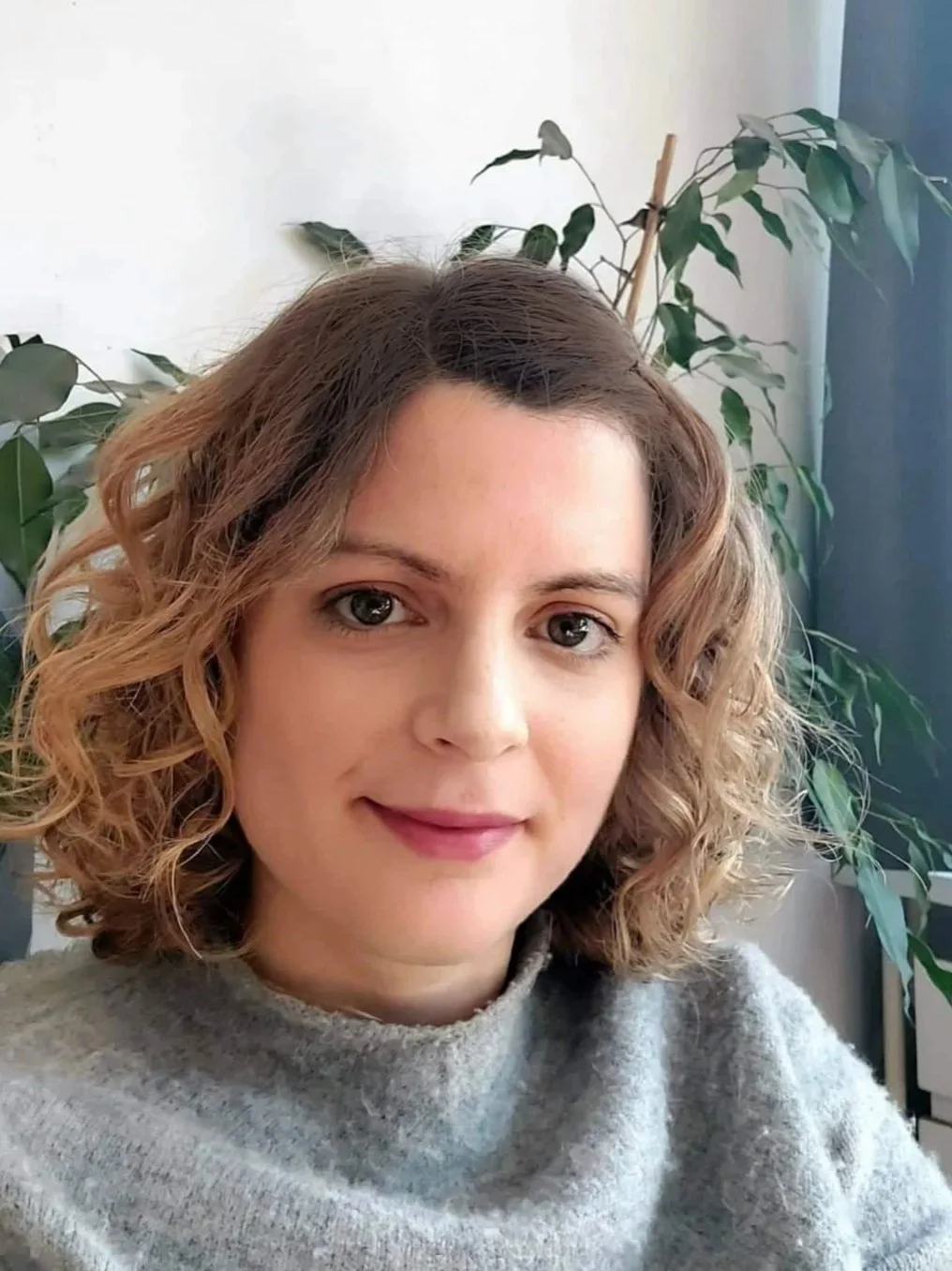
Psychologist, Life & Leadership Coach
“The first step toward change is awareness. The second step is acceptance.”
From being shaped by our experiences to learning to relate to them.
As a psychologist focused on personal development, I partner with people who are ready to take conscious ownership of their growth. Real, meaningful change happens when you take the initiative to truly understand yourself.
My work follows a clear, two-step focus:
Step 1: Self-Awareness. Before you can change a pattern, you have to see it. Together, we uncover the hidden habits, assumptions, and tendencies that shape how you think and act.
Step 2: Self-Acceptance. Once those core tendencies are visible, we shift toward accepting them without judgment. From that grounded place, lasting change becomes possible.
To guide you through these stages, I draw on my training as a psychologist and my 15 year experience as an organizational culture consultant. I have spent years understanding people—both individually, as well as in the context of their organizations.
Alongside my experience, I draw on proven developmental tools, including Nancy Kline’s Thinking Environment and Robert Kegan’s Subject-Object Interview—a framework rooted in adult development theory that helps you step back from your automatic patterns so you can actively reshape them.
From thinking differently to seeing yourself differently: let’s work together on developing the self-awareness and self-acceptance that make deeper, lasting growth possible.
“The first step toward change is awareness. The second step is acceptance.”
- Nathaniel Branden, Psychotherapist
Below you can read more about the sorts of topics we might work together on and you will find more information about the methodologies that I use. I only use scientifically backed methodologies, either informed by my studies as a psychologist, my 15-year experience working with people and organizations, and further, evidence-based training I have completed.
The Thinking Environment.
“The quality of everything we do depends on the quality of the thinking we do first.”
- Nancy Kline, Creator of the Thinking Environment
Do you want to practice independent thinking and, for the first time, completely finish a full thought?
The Thinking Environment is a framework that teaches people how to produce independent thinking in their organizations, teams and personal lives.
In your first session you will focus on thinking through a pressing issue, with minimal interference from me. For the first time in your life, you will completely finish a full thought - completely on your own.
During the thinking session, you will decide if you want to stop with understanding the issue better or if you would like to identify a limiting assumption, reverse it and find potential steps to change it.
In an environment that shows you the utmost respect, you will learn that, by thinking independently, you can reach the best insights. You are the expert of yourself, and the quality of your own thinking is unmatched.
Self-awareness.
"Knowing yourself is the beginning of all wisdom."
- Carl Jung, psychiatrist, psychotherapist, and psychologist who founded analytical psychology
Do you find yourself stuck in the same vicious cycle and want to understand what patterns keep you there?
Our sessions will focus on:
Patterns of behavior: how do you tend to respond in particular situations?
Values: how clear are you on what’s important to you and is the way you live in accordance to that?
Beliefs and mindsets: what known or hidden rules dictate the way you interpret the world?
Thinking traps: what distorted patterns of thought do you habitually use to interpret situations?
In our sessions, you will become your own observer and start to recognize how becoming more conscious of yourself will allow you to make more purposeful choices.
Self-acceptance.
"The most terrifying thing is to accept oneself completely."
- Carl Jung, psychiatrist, psychotherapist, and psychologist who founded analytical psychology
Do you want to come to terms with the most difficult parts of yourself — the feelings and thoughts that scare you?
We tend to keep much of our inner world hidden because we have learned, over time, what is acceptable to show and what is better kept silent.
However, by bringing to light what usually operates in the background — the moments in which we do not recognize ourselves — we can meet them with understanding rather than resistance.
This work is about giving space for what we usually avoid—privately, carefully, and without judgment.
Adult Development.
“We all know that change is hard, but we don’t know enough about why it is so hard and what we can do about it.”
- Robert Kegan, Psychologist, Pioneer in adult development, Creator of the Subject-Object Interview
What if what keeps you stuck is not what you think it is?
You may already have a good understanding of yourself. You know your values, recognize your patterns and can often explain why you respond to situations the way you do. And yet, something doesn't shift.
What if the next step isn't about understanding yourself better, but about seeing your experience differently?
The Subject-Object Interview offers a way to discover your developmental edge: the next shift in how you make sense of yourself and the world around you.
In a 60–90 minute conversation, we explore the lens through which you interpret your experiences. Rather than examining the content of your thoughts, beliefs, values or behaviors, we look beneath them: What are you organizing your experience around?
You will begin to see not only what you think, but how you are making sense of your experience and where new possibilities for growth may lie.
What people say about me.